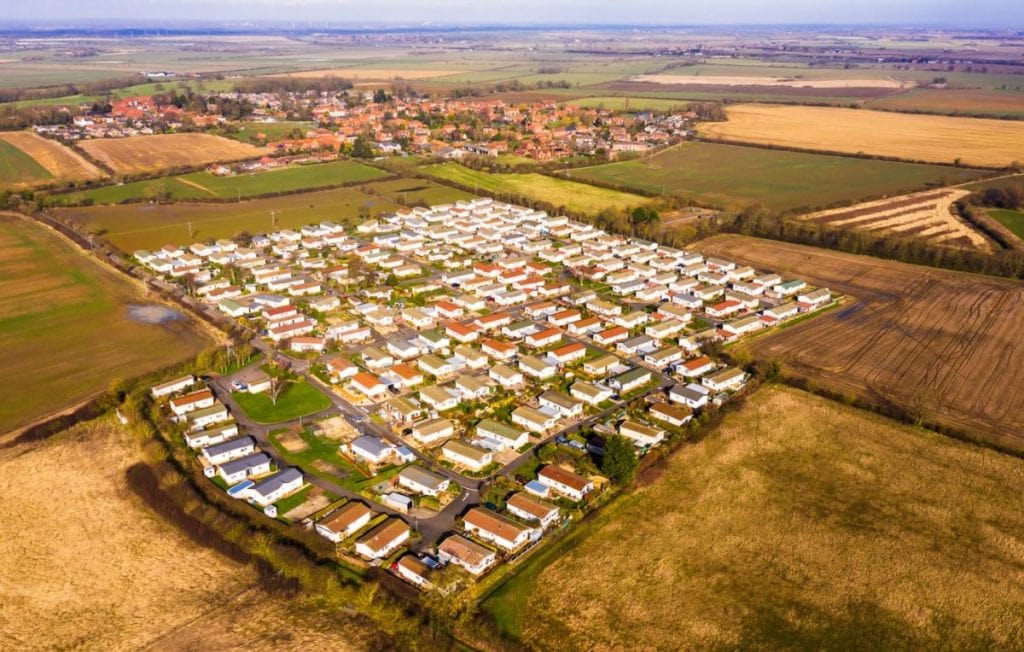
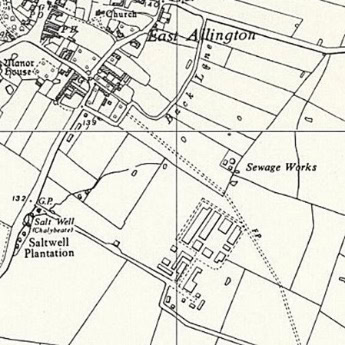
Up to the beginning of the Second World War, Allington Gardens was agricultural land, which was then requisitioned from Mr Pelham Welby to be used as a prisoner of war camp. It was chosen as a suitable site as it was close to the pipe taking water to Bottesford Aerodrome. It became known as POW Camp 51, Allington, Grantham.
It is thought to have opened in late 1942 as a working camp/labour battalion for about 500 Italians, but numbers rose and a Red Cross inspection in February 1943 recorded 750 Italian prisoners who were described as co-operators. By 1945 the Italians had been replaced by German POWs, who were later joined by Ukrainian POWs.
Allington was classed as a standard camp and prisoners were sent out to work. Four bungalows were built on Sedgebrook Road to provide accommodation for the drivers who took the POWs to work on farms throughout the neighbourhood.
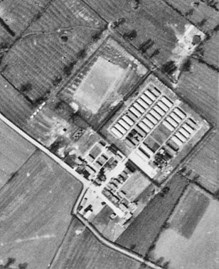
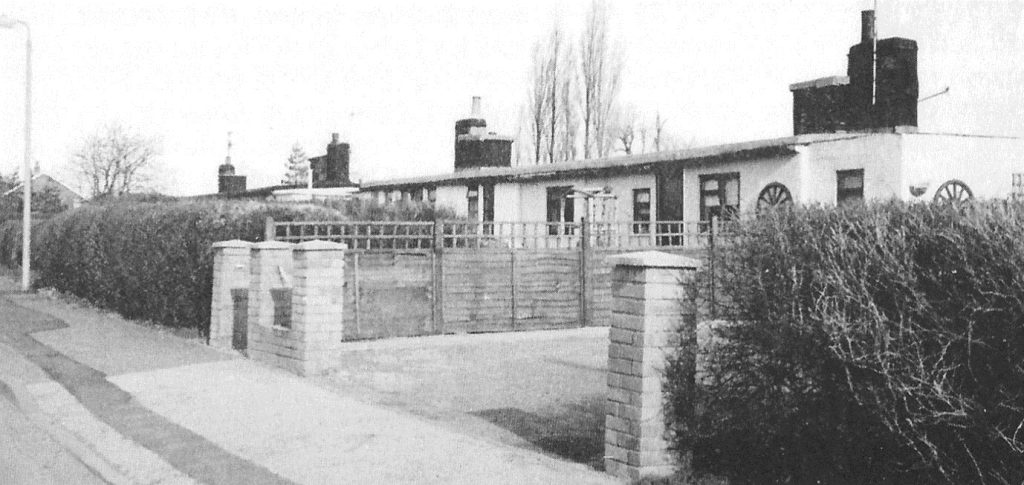
Catholic and Protestant services were held in the camp, and at one point it had a 14 piece orchestra. In July 1948,the German POWs had been repatriated or were in transit, but 1401 Ukrainian prisoners were still located in Allington. Their status as POWs soon changed and by that autumn, they were recorded as members of the European Voluntary Workers scheme – EVWs, and the site was no longer listed as a camp, but as a hostel for the EVW.
When the EVWs were repatriated, the site was divided into two sections. Part was used as a Pig Site and the rest of the site for static caravans, which were sited on the foundations of the older POW Camp buildings. Over the years the pig farm closed, and at one time there was a cattery, which some villagers remember using, and a social club that people from Newark visited. There must have been sufficient people living on the gardens between 1948 and 1952 to warrant a post box, as the one by the Office has a GR insignia.
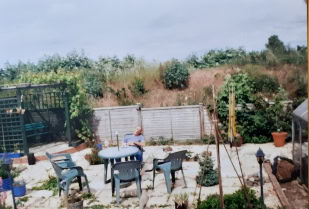
The static caravans were eventually replaced with Park Homes on new foundations, firstly by Avondale and then by Berkeley Parks, who are still working to fill in the gaps, whilst staying within the borders of the pow camp site.